

GUIDE
Do Vets Recommend Collagen for Dogs? What Australian Owners Should Know
By VeraPaws Editorial Team·11 min read

Quick Answer
Sometimes.
Veterinarians may recommend certain collagen based supplements as part of a dog’s broader nutritional or joint care routine. But that does not mean vets recommend every collagen product, every type of collagen or collagen for every dog.
The clearest veterinary interest is around joint support, particularly undenatured Type II collagen, usually called UC-II. Several canine studies have reported improvements in mobility related measures in dogs with osteoarthritis, although the evidence is product and collagen type specific.
Hydrolysed collagen peptides are different. Research in dogs is promising, particularly around joint nutrition, but a recent veterinary review described the evidence as preliminary and highlighted the need for better controlled studies and clearer dosing guidance.
So the more useful question is not simply:
“Do vets recommend collagen?”
It is:
“Which collagen, for which dog, and for what reason?”
Key Takeaways
- Some veterinarians use collagen based nutraceuticals, particularly as part of joint and mobility care.
- Undenatured Type II collagen has some of the more direct canine clinical evidence.
- Hydrolysed collagen peptides are a different form of collagen and should not be treated as interchangeable with UC-II.
- Evidence for one collagen ingredient cannot automatically be applied to every collagen supplement.
- Nutraceuticals are generally considered one part of a broader routine rather than a replacement for diagnosis, weight management, medication or other veterinary care.
- Skin and coat collagen is better understood as nutritional support for normal skin and coat health, not as a treatment for allergies or itching.
- Your vet is particularly important when your dog has persistent symptoms, diagnosed disease, takes medication or already uses other supplements.
Veterinary guidance for older dogs also supports a broader, multimodal approach to mobility and pain management, which can include nutraceuticals alongside other strategies rather than relying on one supplement alone.
What Does It Actually Mean When a Vet Recommends Collagen?
This is where a lot of online advice becomes too simplistic.
A veterinarian saying a particular collagen ingredient may have a role in a dog’s routine is not the same thing as saying:
“All dogs should take collagen.”
And it certainly does not mean every product with the word collagen on the label has the same evidence behind it.
Veterinarians generally have to look at the dog in front of them.
Why is the owner considering a supplement? Is the dog getting older? Has mobility changed? Is there diagnosed osteoarthritis? Is the dog already taking medication? What is the dog eating? Are there allergies or food sensitivities? What other supplements are being given?
Those questions matter because collagen supplements are not all the same.
Even within the joint supplement category, the form of collagen can change what the product is trying to do.
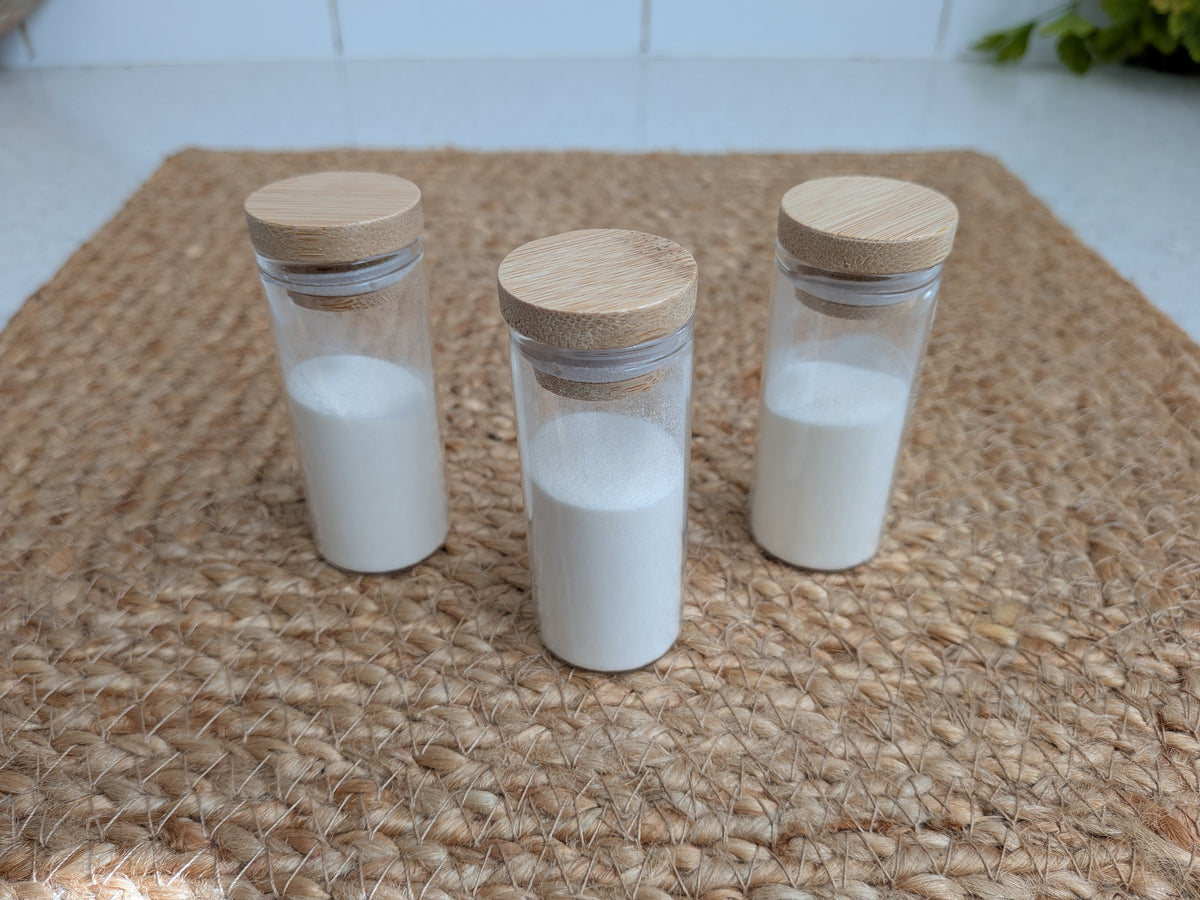
Which Type of Collagen Has the Strongest Veterinary Evidence?
If you look at the canine research, one of the most studied forms is undenatured Type II collagen, commonly referred to as UC-II.
UC-II maintains its native collagen structure and is usually provided in relatively small amounts compared with collagen peptide powders.
A number of controlled studies in dogs with osteoarthritis have reported improvements in measures such as mobility, lameness or owner assessed function after supplementation with UC-II.
Veterinary educational material also lists undenatured Type II collagen among nutraceutical options that may be considered for dogs with joint disease.
That does not mean Type II collagen is automatically the “best collagen for dogs.”
It means there is specific canine evidence around a specific collagen form for a specific use.
That distinction matters.
Evidence Note
Undenatured Type II vs Hydrolysed Collagen: They Are Not the Same Thing
This is probably one of the most important things for dog owners to understand.
Undenatured Type II collagen and hydrolysed collagen peptides may both have “collagen” on the label, but they are not simply different doses of the same supplement.
Undenatured Type II collagen retains its native structure and has been studied primarily in the context of joint health.
Hydrolysed collagen has been broken down into smaller peptides. These peptides are digested and absorbed differently and are generally provided in much larger amounts.
That means it would be misleading to look at a small UC-II serving and a collagen powder serving several grams per day and conclude that whichever contains more milligrams must be better.
They are different ingredients being used in different ways.
Our existing guide to Collagen Types I, II & III for Dogs goes into these differences in more detail.
What Does the Evidence Say About Hydrolysed Collagen?
Hydrolysed collagen has also attracted veterinary research interest.
A recent review of collagen hydrolysates in canine osteoarthritis found preliminary evidence suggesting potential clinical benefits, including improvements in some mobility and limb loading measures.
But the authors were also clear about the limitations.
Current canine studies use different products, different amounts and different ways of measuring results. The review concluded that better placebo controlled trials and more consistent dosing research are still needed.
One controlled study using a therapeutic diet containing hydrolysed collagen alongside curcuminoids and green tea extract found improvements in some measures, but not across every objective or subjective outcome that was assessed.
Because several active ingredients were used together, it also cannot tell us what hydrolysed collagen alone was responsible for.
That is a much more realistic picture than saying:
“Collagen is proven to fix dog joints.”
The evidence is developing, and results depend on the collagen form and product being studied.
Evidence Note
So, Do Vets Recommend Collagen for Joint Support?
Some do.
Veterinary resources recognise certain collagen ingredients, particularly undenatured Type II collagen, as nutraceutical options that may be used alongside other approaches to joint care.
But joint care is rarely about one supplement.
For a dog with diagnosed osteoarthritis or meaningful changes in mobility, veterinary management may involve body weight, exercise, rehabilitation, medication, diet, environmental changes and selected nutraceuticals.
AAHA guidance for senior pets similarly describes pain and mobility management as multimodal and includes nutraceuticals among the options that veterinarians may consider.
That is why we would be wary of any supplement being presented as a substitute for proper veterinary assessment.
What About Collagen for Skin and Coat?
This needs a different conversation.
Collagen is naturally associated with connective tissues throughout the body, which is one reason skin and coat supplements often contain collagen peptides.
But the veterinary evidence for collagen supplements and diagnosed canine skin disease is not the same as the evidence around some joint ingredients.
For everyday nutrition, it is reasonable to talk about maintaining normal healthy skin and coat.
It is very different to say collagen treats itching, allergies, dermatitis or another skin condition.
In Australia, the APVMA explicitly distinguishes general nutritional messages about maintaining normal healthy skin or a glossy coat from therapeutic claims relating to conditions such as itchiness and allergies.
So if your dog is persistently scratching, chewing their paws, developing sore skin or having recurring ear problems, the first question should not be:
“Which collagen should I buy?”
It should be:
“What is causing this?”
That is where your veterinarian becomes much more important.
Evidence Note
Source for this section: APVMA: Acceptable Nutritional Messages
Why Would a Vet Not Recommend a Collagen Supplement?
There are plenty of perfectly sensible reasons.
The dog may not need one.
The concern may have another cause that needs diagnosis.
The formulation may not have evidence for the outcome being claimed.
The product may include unnecessary ingredients.
The dog may have a food sensitivity.
The dog may already be receiving several supplements or medications.
Or the veterinarian may simply prefer another nutritional or therapeutic approach for that particular dog.
Veterinary guidance also encourages owners to tell their vet about supplements and nutraceuticals their pets receive because products can vary in quality and some supplements may interact with other treatments.
“Natural” does not automatically mean appropriate for every dog.
What Should Australian Dog Owners Look for in a Collagen Product?
Start with transparency.
The label should tell you where the collagen comes from.
If it is bovine collagen, say bovine. If it is marine, say marine. If it contains Type II collagen, the label should make clear what form is being used rather than relying on vague language such as “multi collagen complex.”
Then check the form.
Is it hydrolysed collagen peptides? Undenatured Type II collagen? Something else?
After that, look at the serving guidance.
A Chihuahua and a 35 kg Labrador are very different dogs. It is reasonable to ask how the recommended serving was decided and whether it changes according to the dog.
Also look at what else is in the product.
A longer ingredient list is not automatically better. Each ingredient should have a reason for being there.
Finally, pay attention to the claims.
The APVMA distinguishes nutritional products intended to maintain normal health from products making claims to prevent, reduce, treat or cure a disease or condition.
Big claims deserve closer scrutiny.
Should I Ask My Vet Before Giving My Dog Collagen?
For many healthy dogs, owners introduce nutritional supplements as part of their normal feeding routine.
But there are situations where speaking with your vet first makes particularly good sense.
That includes dogs with diagnosed joint disease, persistent limping or stiffness, ongoing pain, significant skin problems, chronic medical conditions, known food allergies, dogs taking medication, pregnant or nursing dogs, or dogs already receiving multiple supplements.
Veterinary guidance for nutraceuticals also recommends discussing other medicines and supplements with your veterinarian before introducing something new.
If something has changed enough that you are worried about your dog, it is worth finding out why.
Where Does VeraPaws Fit?
VeraPaws is built around a simple idea:
the right collagen routine for the right dog.
We do not believe every dog automatically needs the same collagen formula.
Our Premium Collagen is the broader daily collagen foundation.
Skin & Coat is built for owners whose focus is a normal daily skin and coat routine.
Hip & Joint combines collagen with ingredients such as glucosamine, MSM and chondroitin for owners specifically looking for a joint focused nutritional routine.
And Pure Marine gives owners a bovine free collagen option.
Which one makes sense depends on the dog and what you are trying to support.
None should replace veterinary care when a dog has a medical problem.
What Australian Dog Owners Should Remember
The answer to “Do vets recommend collagen for dogs?” is not a simple yes or no.
There is genuine veterinary interest and canine research around certain collagen ingredients, particularly for joint support.
But collagen is a category, not one ingredient.
Type, form, serving, formulation, evidence and the individual dog all matter.
A careful veterinarian is unlikely to recommend a supplement simply because the front of the packet says “collagen.”
That is probably a good standard for dog owners to use too.
References
- Canine study: undenatured type II collagen (UC-II) and osteoarthritis
- Evaluation of the Effects of Undenatured Type II Collagen (UC-II) as Compared to Robenacoxib on the Mobility Impairment Induced by Osteoarthritis in Dogs
- Veterinary review of collagen hydrolysates in canine osteoarthritis
- Controlled canine study: hydrolysed collagen, curcuminoids and green tea extract
- VCA Animal Hospitals: Undenatured Collagen Type II
- VCA Animal Hospitals: Degenerative Joint Disease in Dogs
- AAHA: Senior Care and Multimodal Mobility Guidance
- AAHA Senior Care Guidelines for Dogs and Cats
- APVMA: Acceptable Nutritional Messages
- APVMA: Animal Feed Products
Frequently Asked Questions
Do vets recommend collagen for dogs?
Some veterinarians recommend or use specific collagen based nutraceuticals, particularly in joint care. Undenatured Type II collagen has been studied in dogs with osteoarthritis, while research on hydrolysed collagen peptides is promising but still developing. A recommendation for one collagen ingredient should not be treated as an endorsement of every collagen supplement.
What collagen do vets recommend for dogs?
There is no single collagen product or type that every veterinarian recommends. Undenatured Type II collagen has some direct canine clinical evidence for joint support, while hydrolysed collagen peptides are used for different nutritional purposes. The right choice depends on the dog and the reason for supplementing.
Is Type II collagen better for dogs?
Not automatically. Undenatured Type II collagen has been studied particularly for joint support, but that does not make it universally superior to Types I or III collagen. Different collagen forms and types are used for different nutritional purposes.
Do vets recommend collagen for senior dogs?
A veterinarian may consider nutraceuticals as part of a senior dog’s broader mobility or nutritional plan, but age alone does not mean a dog needs collagen. Senior care should consider the dog’s weight, mobility, diet, medical history and any underlying conditions.
Is collagen safe to give a dog every day?
Products formulated for regular use are generally intended to be given according to their specific serving instructions. Safety still depends on the individual product and dog. Dogs with medical conditions, food sensitivities or medications should be discussed with a veterinarian.
Can a vet recommend collagen for arthritis?
Some collagen ingredients, particularly undenatured Type II collagen, have been studied in dogs with osteoarthritis. A veterinarian may include nutraceuticals within a broader management plan, but a collagen supplement should not replace diagnosis or prescribed treatment.
Is hydrolysed collagen the same as UC-II?
No. Hydrolysed collagen has been broken into smaller peptides, while undenatured Type II collagen maintains its native structure. They are different ingredients, commonly used in very different amounts, and evidence for one should not automatically be applied to the other.
Should I tell my vet which supplements my dog takes?
Yes. Veterinary guidance recommends discussing supplements and nutraceuticals alongside medications because your veterinarian needs to understand the whole routine and assess whether anything could interact or be unnecessary.
Continue Reading
-
Collagen Types for Dogs: Type I, II, III Explained + Which One to Choose
Discover the main collagen types for dogs (Type I, II, III), where they come from, and how to choose an eve...
-

Is Collagen Safe for Dogs Long Term? What Dog Owners Should Know
Is collagen safe for dogs long term? Learn when daily collagen is usually a practical fit, what to watch fo...
-
Best Collagen for Dogs in Australia 2026: What to Look For and How to Choose
The best collagen for your dog is not decided by powder, liquid or the biggest claim. Compare the collagen ...
Swipe to explore →
THE RIGHT COLLAGEN ROUTINE
Find the Right Collagen Routine for Your Dog
Every dog is different. Explore the VeraPaws routines and choose the formula that best fits what you are looking to support.
ABOUT THE AUTHOR
VeraPaws Editorial Team
VeraPaws is an Australian dog collagen brand focused on dog specific formulas, transparent serving guidance and practical daily routines.